Key points
- From 1952 to 1989 the Rocky Flats Plant, about 16 miles northwest of downtown Denver, manufactured plutonium “triggers” (pits) for U.S. nuclear weapons.
- Fires, leaking waste drums and other releases contaminated parts of the site; a 1989 FBI and EPA raid over environmental violations ended production.
- The Department of Energy completed an accelerated cleanup in 2005; the central former industrial area remains under DOE management and is closed to the public.
- The surrounding buffer zone became the Rocky Flats National Wildlife Refuge in 2007 and opened to visitors in September 2018. Public debate about residual risk continues.
In November 2016 our chapter held its first-ever book club dinner, discussing Full Body Burden: Growing Up in the Nuclear Shadow of Rocky Flats with its author, Kristen Iversen, who joined us remotely. The conversation ranged from Cold War history to risk communication and environmental justice. Rocky Flats remains one of the most instructive case studies in Colorado for anyone working in remediation, toxicology, regulation or community engagement. Here is an overview of its history and the lessons it holds for environmental professionals.
A secret plant on the prairie
The Rocky Flats Plant opened in 1952 on a windswept mesa between Boulder and Golden. For decades it machined plutonium and other materials into the pits at the heart of nuclear weapons. Production was shrouded in secrecy; many nearby residents knew little about what was made there, and workers were often unable to talk about their jobs.
The site’s operating history included serious incidents. Major fires in 1957 and 1969 involved plutonium in production buildings. Drums of plutonium-contaminated oil stored outdoors on the “903 Pad” leaked over several years, and winds spread contaminated soil eastward. Waste ponds, burial trenches and building contamination added to the legacy.
The 1989 raid and the end of production
In June 1989 agents from the FBI and EPA raided the plant to investigate alleged environmental crimes, including the handling and disposal of hazardous waste. Production was halted and never resumed. The plant’s operator later pleaded guilty to environmental violations and paid a criminal fine, and the case — including a grand jury whose report was sealed — became a lasting controversy. The site’s mission shifted to cleanup and closure, and it was renamed the Rocky Flats Environmental Technology Site.
The episode is a reminder of the role of environmental enforcement and forensic science. At a 2018 chapter luncheon, an EPA toxicologist from the National Enforcement Investigations Center described how scientific evidence supports environmental criminal prosecutions — work that traces its importance to cases like this.
Cleanup: decades of work, one decade of acceleration
Rocky Flats was added to the National Priorities List (Superfund) in 1989. Cleanup was governed by agreements among the Department of Energy, EPA and the Colorado Department of Public Health and Environment. Under an accelerated closure contract, workers removed and shipped off-site plutonium materials and waste, decontaminated and demolished hundreds of structures, excavated contaminated soils and built groundwater treatment and monitoring systems. The physical cleanup was declared complete in 2005, decades ahead of earlier estimates, at a cost of several billion dollars.
Cleanup levels were based on a “wildlife refuge worker” exposure scenario rather than unrestricted residential use. The former industrial core — the “Central Operable Unit” — remains under DOE’s Office of Legacy Management with restrictions, groundwater treatment, surface water monitoring and periodic CERCLA five-year reviews.
From buffer zone to wildlife refuge
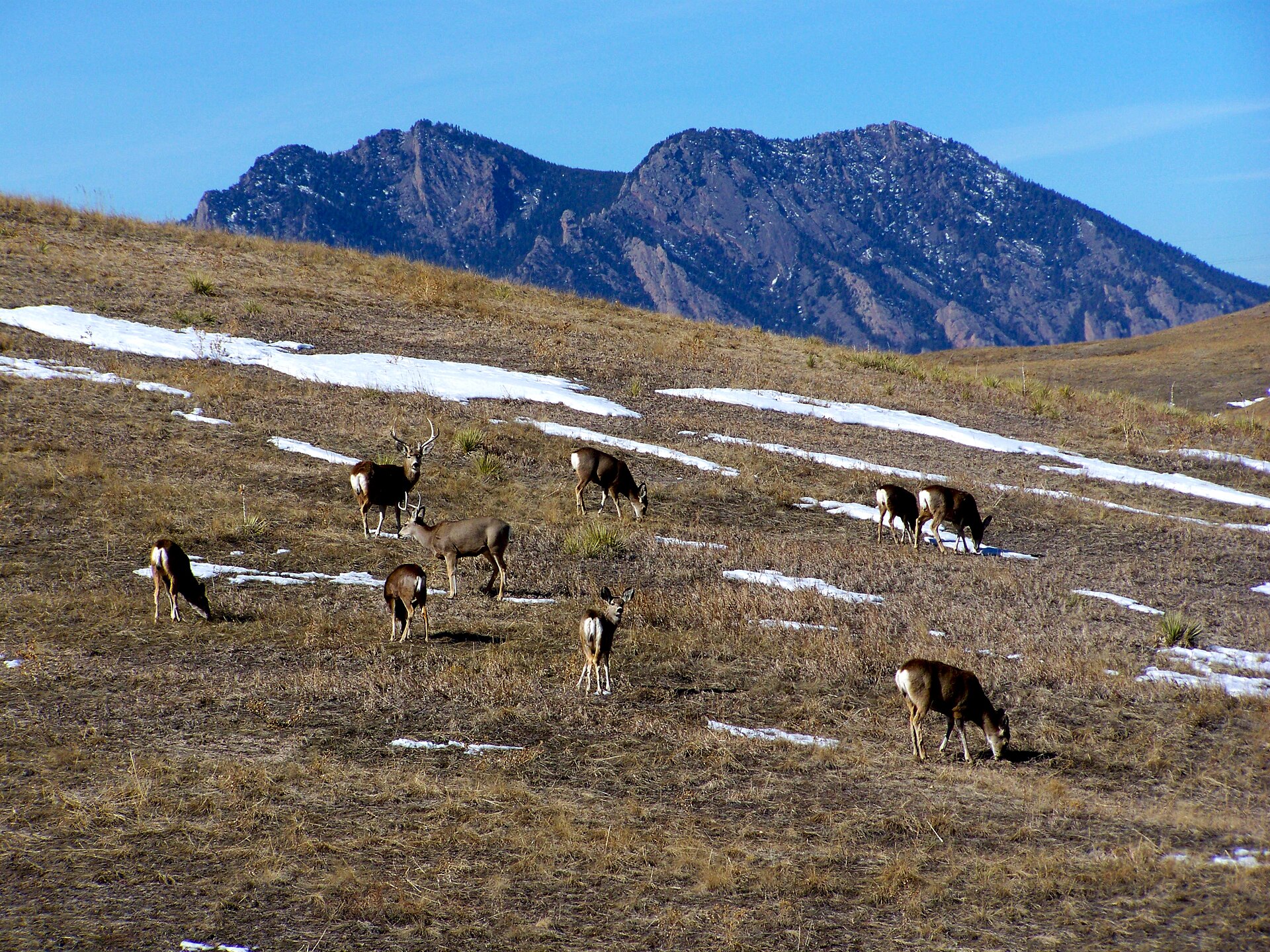
For decades the plant was surrounded by a large, undeveloped buffer zone. Ironically, that isolation protected rare grassland habitat, including xeric tallgrass prairie. The Rocky Flats National Wildlife Refuge Act of 2001 directed that the buffer lands become a national wildlife refuge once cleanup was complete. The refuge was established in 2007 and is managed by the U.S. Fish and Wildlife Service as part of the Colorado Front Range refuge complex. It covers more than 5,000 acres and supports hundreds of plant species, elk, mule deer, pronghorn and grassland birds.
The refuge opened for public trails in September 2018. Some community groups and researchers opposed opening it, citing uncertainty about residual plutonium in soils and the potential for disturbance by fire or construction, while agencies maintained that sampling showed the refuge met cleanup standards for its intended use. Visitors can find current information on the refuge website.
Why it matters: Rocky Flats shows that “cleanup complete” is a legal and technical milestone, not the end of public concern. Long-term stewardship, transparent monitoring data and respectful engagement with communities are part of every remediation project.
Lessons for environmental professionals
1. Land use drives cleanup decisions
Remedies are designed around assumed future uses and exposure scenarios. Documenting those assumptions clearly — and enforcing institutional controls that keep land uses consistent with them — is essential.
2. Long-term stewardship is a career, not a footnote
Groundwater treatment, monitoring networks, five-year reviews and record-keeping continue for decades after demolition crews leave. Legacy management offers stable careers for hydrologists, engineers, data managers and regulators.
3. Risk communication is as important as risk assessment
Technical conclusions mean little if communities do not trust the process. Lessons from Rocky Flats include the value of independent review, open data and acknowledging uncertainty rather than dismissing concerns.
4. Secrecy and environmental performance don’t mix
Many of the site’s environmental failures occurred under conditions of limited outside oversight. Modern environmental management systems emphasize transparency, auditing and a culture in which employees can raise concerns without fear.
5. Restoration can create unexpected value
The same buffer that isolated a weapons plant preserved one of the Front Range’s most intact grassland ecosystems. Restoration ecology and habitat management are now central to the site’s future.
Further reading and discussion questions
If your book club, class or team wants to explore Rocky Flats, Kristen Iversen’s memoir is an accessible starting point that weaves family history with the plant’s story. Questions we found useful in our discussion:
- How should agencies balance public access to open space with uncertainty about residual contamination?
- What responsibilities do employers and regulators have when environmental risks are classified or confidential?
- How would you explain a risk-based cleanup standard to a neighbor who is worried about her children’s health?
Frequently asked questions
Can I visit Rocky Flats?
The national wildlife refuge has public trails. The central former plant area managed by the Department of Energy is closed to the public. Check the refuge website for current hours and rules.
Is Rocky Flats still a Superfund site?
Portions of the site have been deleted from the National Priorities List, while the central operable unit remains subject to long-term CERCLA stewardship by DOE, with oversight by EPA and CDPHE.
What is a “pit”?
The plutonium core of a nuclear weapon’s primary stage, often called a trigger. Rocky Flats was the primary U.S. pit production facility during much of the Cold War.
This article is an educational overview based on public sources. It does not assess health risk for any individual or property. See our disclaimer.